Idioms are the secret sauce of English—they turn simple sentences into colorful expressions that sound natural, emotional, and memorable.
When it comes to talking about someone special, idioms add charm, warmth, and depth that literal words often can’t.
Imagine telling your best friend, “You are my rock” instead of just “You help me a lot.” Instantly, the phrase feels personal, heartfelt, and memorable.
Here’s a short story: Sarah had just met Alex, and she wanted to express how much he meant to her. Instead of saying, “I really like you,” she texted, “You light up my world.”
Alex smiled—he could feel her emotions through those words. That’s the power of idioms—they carry emotions, culture, and subtlety all at once.
For learners, mastering idioms for someone special not only improves communication but also boosts confidence, making your English sound natural and heartfelt.
Fun Fact: Why Idioms Stick in Our Minds
Did you know that many idioms for expressing affection or admiration come from literature, nature, or historical sayings? For example, “the apple of my eye” dates back to the 9th century in Old English, meaning someone cherished above all. Using idioms connects you to centuries of cultural expression, not just words.
Grouping Idioms by Emotion or Intensity
1. Mild Admiration and Appreciation
| Idiom | Meaning | Example |
|---|---|---|
| A gem | Someone precious or special | “Ella is a gem; she always knows how to make people smile.” |
| A heart of gold | Kind and generous | “You’ve got a heart of gold for helping everyone in need.” |
| One in a million | Rare and unique | “He’s one in a million—always there when you need him.” |
Tip: These idioms work well in daily conversations or casual compliments.
2. Romantic or Deep Affection
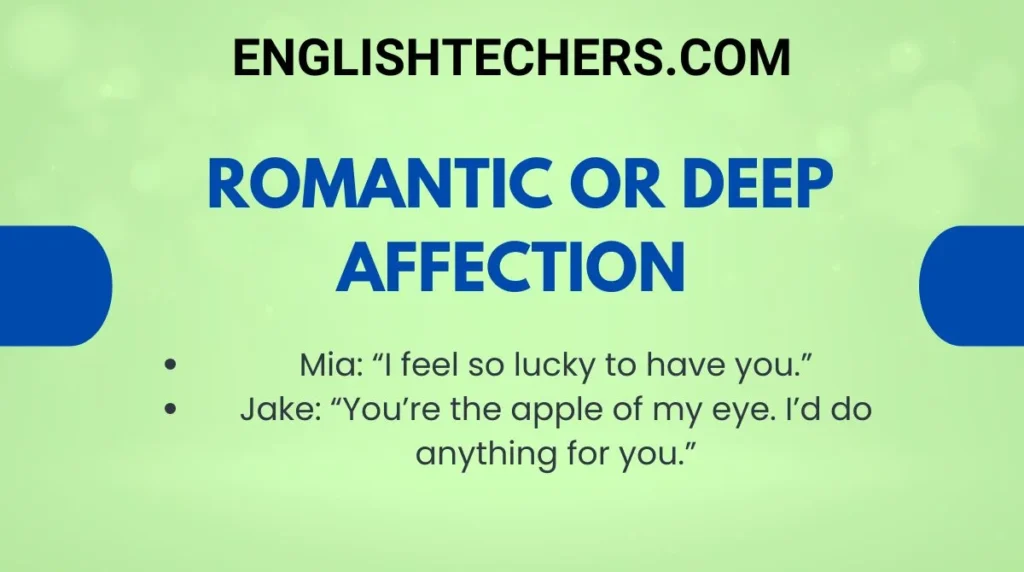
Dialogue Style Example:
- Mia: “I feel so lucky to have you.”
- Jake: “You’re the apple of my eye. I’d do anything for you.”
Idioms:
- Light up my life – Someone brings joy or excitement.
- My better half – Romantic partner; someone who completes you.
- The love of my life – Person who is most important in your romantic life.
Mini Cultural Note: Romantic idioms are common in songs, movies, and love letters. They often convey emotion stronger than literal phrases.
3. Fun & Playful Idioms
Short paragraph format works best here:
“Butterfly in my stomach” is usually for nervous excitement, but you can use it playfully about someone special: “Every time she walks in, I get butterflies in my stomach.”
Other fun ones:
- Head over heels – Deeply in love or infatuated.
- Crush on someone – Mild romantic admiration.
- My sunshine – Someone who brightens your day.
Usage Warning: Avoid overusing clichés like “I’m confused about you” in formal writing; save them for texts, chats, or creative writing.
4. Idioms in Professional/Workplace Settings
Sometimes, someone special isn’t romantic—it’s a trusted colleague or mentor. Here’s a table by context:
| Idiom | Meaning | Example |
|---|---|---|
| Go-to person | Reliable, dependable | “Sophie is my go-to person for project advice.” |
| Rock | Supports others | “Marcus has been my rock through all tough deadlines.” |
| Lifeline | Critical support | “During the audit, Kevin was our lifeline.” |
Tip: These idioms show respect and appreciation without being romantic. Perfect for emails, speeches, or team meetings.
5. Idioms for Literature Lovers
Mini cultural note with example:
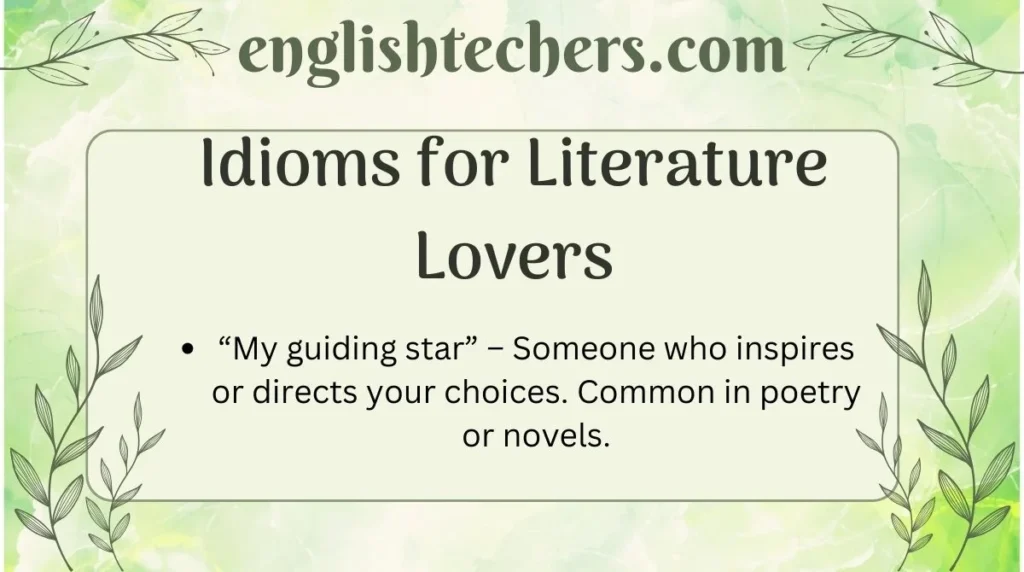
- “My guiding star” – Someone who inspires or directs your choices. Common in poetry or novels.
- “The wind beneath my wings” – Someone whose support enables your success. Popularized in songs and literature.
Example Micro-Story:
Emma’s mentor had always encouraged her writing. In her acceptance speech, she said: “You’ve been the wind beneath my wings, helping me soar higher than I ever imagined.”
6. Emotional Scale Table: Mild → Intense
| Intensity | Idioms |
|---|---|
| Mild | A gem, one in a million, my sunshine |
| Moderate | Heart of gold, go-to person, butterflies in my stomach |
| Strong | Rock, light up my life, head over heels, apple of my eye |
| Intense | Love of my life, my better half, wind beneath my wings |
7. Common Mistakes Learners Make
- Literal translations – Saying “You are a stone of my eye” instead of “apple of my eye.”
- Overusing idioms in formal writing – Keep casual idioms for conversations or creative writing.
- Mixing metaphors – “You’re my sunshine and my rock and the wind beneath my wings” sounds overdone.
- Wrong intensity – Don’t call someone “love of my life” for a casual acquaintance.
- Misplaced context – “Butterflies in my stomach” is for excitement/nervousness, not sadness.
8. Exercises for Learners
Fill in the blanks:
- My best friend is my __________; I can always count on her.
- Every time I see him, he __________ my life.
- She’s truly one in a __________.
Answer Key:
- rock
- lights up
- million
Dialogue Practice:
- Partner A: Compliment your best friend using an idiom.
- Partner B: Respond with a different idiom for appreciation.
How to Use Idioms in Daily Life
- Speaking: Sprinkle idioms in casual conversations with friends or family to sound more natural.
- Writing: Use idioms in letters, emails, or social media captions for emotional flair.
- Professional: Stick to workplace-appropriate idioms (rock, go-to person, lifeline).
- Storytelling: Enhance short stories or speeches with idioms to create emotional depth.
FAQ
1: Can idioms be used in formal writing?
A1: Some can, like “guiding star” or “trusted mentor,” but avoid playful or romantic ones in professional reports.
2: Are these idioms universal in English?
A2: Most are common in US/UK English. Some phrases like “apple of my eye” may confuse non-native speakers without context.
3: Can idioms be used for friends, not just romantic partners?
A3: Absolutely! “Rock,” “one in a million,” or “heart of gold” work for friends, family, or colleagues.
4: How can I remember idioms easily?
A4: Use them in short stories, dialogues, or sentences about your own life—emotion helps memory.
5: Are idioms tested in exams like IELTS?
A5: Yes, especially in speaking and writing tasks. Natural, context-appropriate idioms can boost your score.
Conclusion
Idioms are more than fancy expressions—they’re bridges between your thoughts and emotions. Whether it’s for someone special, a trusted friend, or a valued colleague, idioms convey feelings that ordinary words can’t.
Start small: pick one idiom a week, use it in a sentence, text, or story. Soon, you’ll notice your English sounding warmer, more confident, and natural.
Remember, the right idiom at the right moment can make someone’s day. So, explore these 23+ idioms, practice them, and let your words light up your world.
Don’t just speak English—speak with heart.

Thomas Reed is an experienced English teacher helping students learn with simple, clear lessons.
He focuses on improving speaking, grammar, and confidence through easy daily practice.